
Did you know that poor lighting can make you feel tired and even depressed? It’s true. In fact, studies have shown that good lighting can improve your mood, boost productivity, and even help you sleep better. So, if you’ve been feeling a bit down or sluggish lately, it might be time to give your home’s lighting a makeover.
Understanding the Basics
Before we dive into the latest trends, let’s talk about the basics. I’ve found that many people don’t realize how much of a difference the right lighting can make. There are three main types of lighting: ambient, task, and accent. Each has its place, and using them together is key to creating a warm, inviting space.
Areas Where Each Type Works Best
- Ambient: This is your general lighting, the stuff that fills the room. It’s what you’d use in your living room or bedroom to create a cozy atmosphere. Think table lamps, floor lamps, or even recessed lighting.
- Task: This is lighting that helps you see what you’re doing. It’s perfect for kitchens, home offices, or any other space where you need to focus. Under-cabinet lighting, desk lamps, and pendant lights all fall into this category.
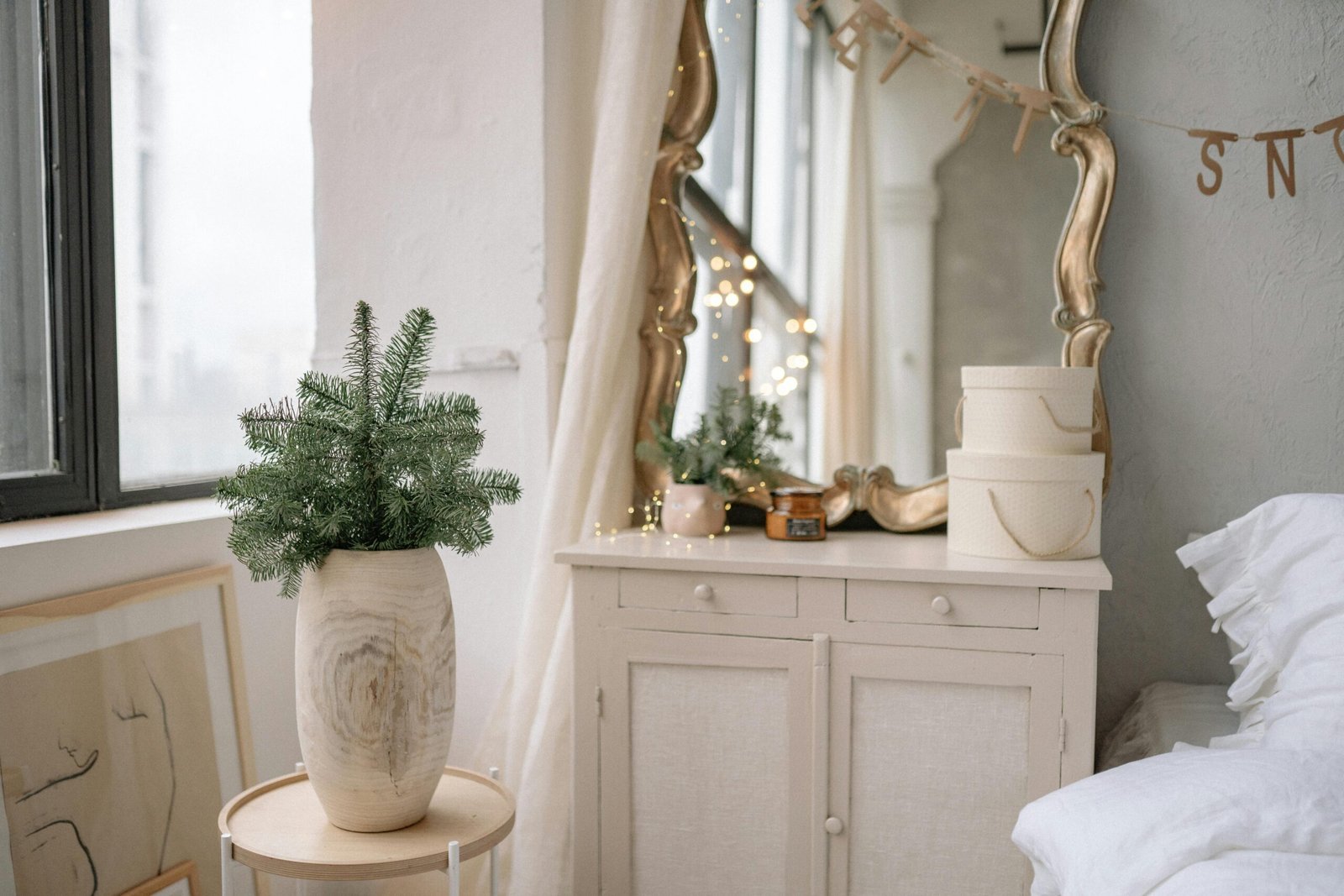
- Accent: This is your decorative lighting. It’s what adds personality to a room. Wall sconces, string lights, and even candles can all be used to create accent lighting.
Now that we’ve got the basics down, let’s talk about some modern lighting decor ideas to brighten your home.
Smart Lighting: The Future is Here
As someone who’s helped hundreds of people update their home lighting, I can tell you that smart lighting is one of the most exciting trends right now. It’s not just about having lights that you can control with your phone or voice assistant. It’s about creating a lighting system that adapts to your needs and preferences.
Comparing Two Approaches
With smart lighting, there are two main approaches: hub-based systems and direct connect. Hub-based systems, like Philips Hue or Samsung SmartThings, require a central hub to control your lights. Direct connect systems, like Lutron Caseta or TP-Link Kasa, allow you to control your lights directly from your phone or voice assistant.
So, which one is right for you? It depends on your needs and preferences. If you want a system that’s easy to set up and use, a direct connect system might be the way to go. However, if you want a system that’s more customizable and can be integrated with other smart home devices, a hub-based system might be a better choice.
Personally, I’ve found that hub-based systems offer more flexibility. They allow you to create complex lighting scenes and automate your lights based on your schedule or habits. For example, you can set your lights to turn on automatically when you come home from work, or turn off when you go to bed. Plus, they can be integrated with other smart home devices, like thermostats, locks, and security systems.
Statement Lighting: Make a Bold Impression
If you want to make a bold statement with your lighting, consider using statement lighting fixtures. These are fixtures that are designed to be the focal point of a room. They can be anything from a chandelier to a floor lamp to a wall sconce.
Choosing the Right Statement Lighting
When choosing statement lighting, it’s important to consider the style of your home. If you’ve a modern home, you might want to choose a fixture with clean lines and a minimalist design. If you’ve a more traditional home, you might want to choose a fixture with ornate details and a classic design.
It’s also important to consider the size of your room. A large fixture can overwhelm a small room, while a small fixture can get lost in a large room. As a general rule, I recommend choosing a fixture that’s about one-third the size of your table or island if you’re using it in a dining room or kitchen.
Finally, consider the color of your fixture. If you want to make a bold statement, choose a fixture in a bright, bold color. If you want to create a more subtle look, choose a fixture in a neutral color.
Layered Lighting: The Key to a Cozy Home
Layered lighting is all about using multiple light sources to create a warm, inviting atmosphere. It’s a technique that I’ve used in hundreds of homes, and it’s one of the most effective ways to brighten up your space.
Creating Layers
To create layers, start with your ambient lighting. This is your general lighting, the stuff that fills the room. Next, add your task lighting. Here’s lighting that helps you see what you’re doing. Finally, add your accent lighting. This is your decorative lighting, the stuff that adds personality to a room.
When creating layers, it’s important to vary the height of your light sources. For example, you might use a floor lamp for your ambient lighting, a table lamp for your task lighting, and string lights for your accent lighting. This will create a sense of depth and make your room feel more cozy.
It’s also important to vary the color temperature of your light sources. Warmer colors, like yellow and orange, create a cozy, inviting atmosphere. Cooler colors, like blue and white, create a more energizing atmosphere. By using a mix of warm and cool colors, you can create a balanced, inviting space.
DIY Lighting: Get Creative
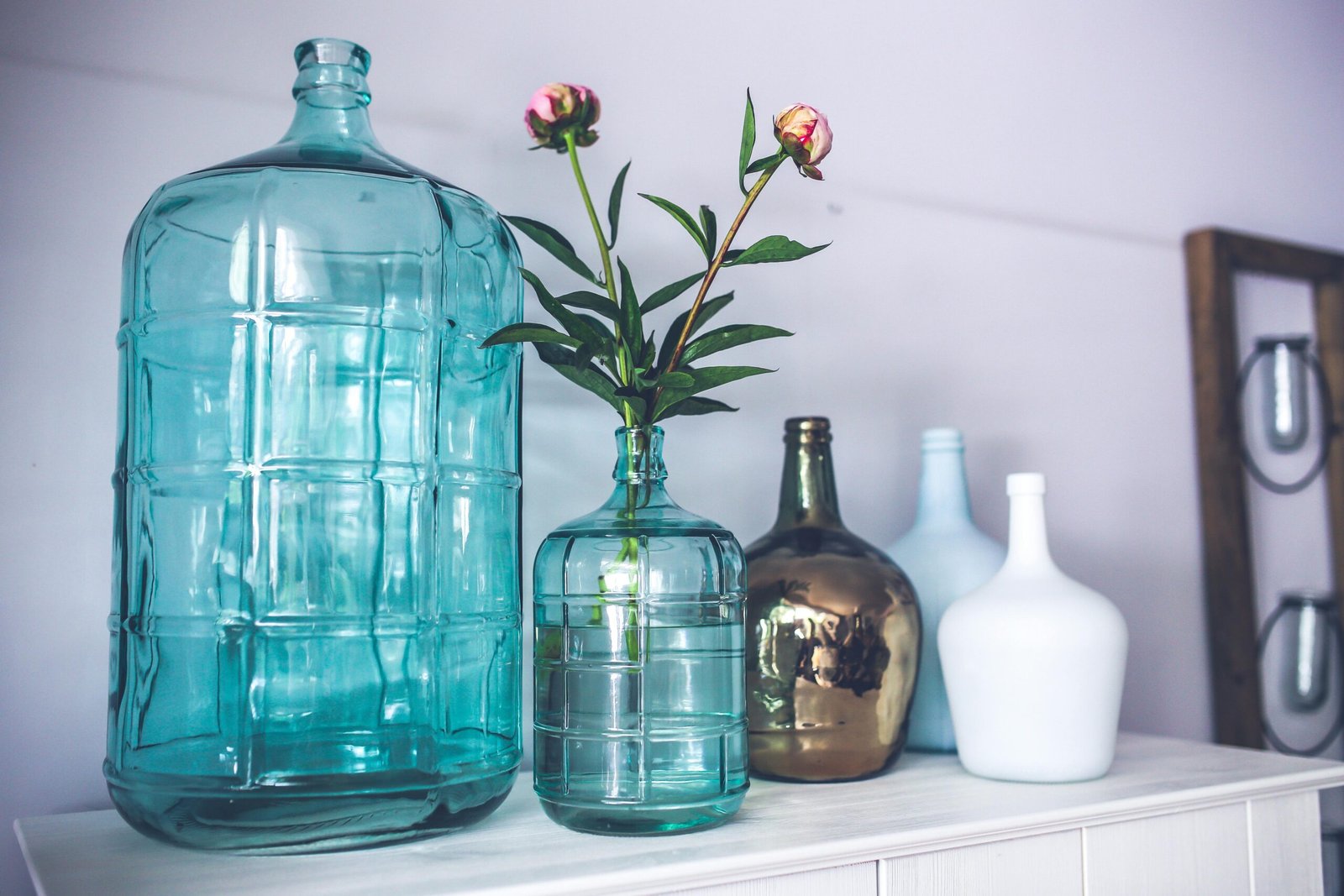
If you’re feeling creative, why not try your hand at DIY lighting? There are tons of great DIY lighting projects out there, from mason jar lamps to wine bottle chandeliers. Plus, it’s a great way to add personality to your space without breaking the bank.
Safety First
Before you start any DIY lighting project, it’s important to make sure that you’re following safety guidelines. Always unplug any electrical devices before working on them, and never work with live wires. If you’re not comfortable working with electricity, hire a professional.
Also, make sure that you’re using the right type of bulbs for your project. For example, if you’re making a mason jar lamp, you’ll want to use a bulb that doesn’t get too hot, like an LED bulb. This will help prevent your jar from cracking or shattering.
Finally, make sure that you’re following all local building codes and regulations. Some areas have specific rules about DIY electrical work, so it’s important to make sure that you’re in compliance.
With these tips and ideas, you’re well on your way to creating a brighter, more inviting home. Don’t be afraid to get creative and have fun with your lighting. After all, it’s one of the easiest and most effective ways to transform your space.
As a lighting expert, I’ve seen firsthand how much of a difference the right lighting can make. So, what are you waiting for? Start exploring your options today, and let the light shine in!
Leave a Reply